
AFM NEWS
How to Drill a Water Well on Rural Property
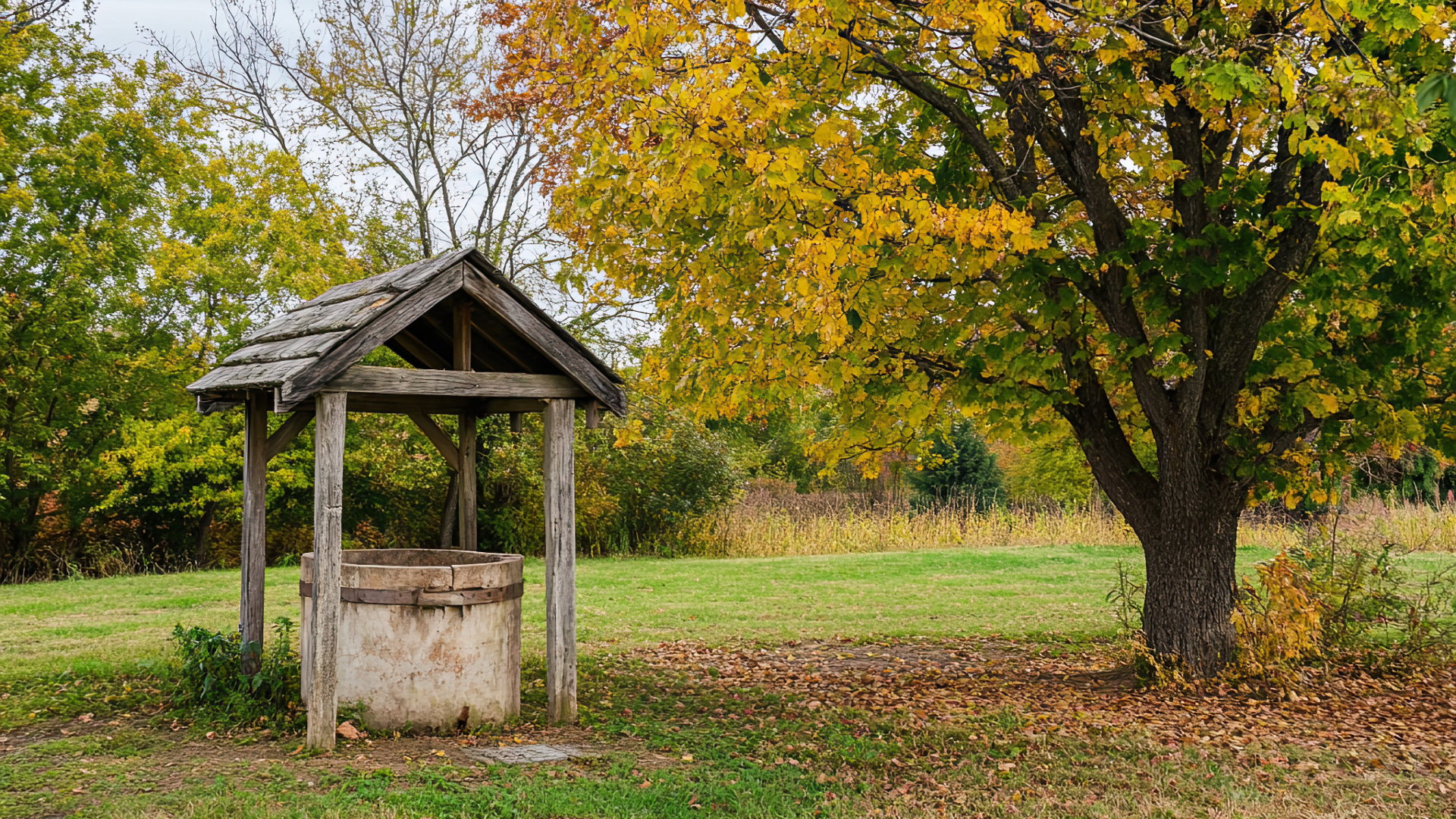
Here’s what every acreage landowner should know when it comes to water wells:
---
1. Know the Local Regulations
Before you drill, check with your state and county agencies for permitting requirements. Many jurisdictions require permits for new well construction and may have specific rules around well depth, location, casing materials, and distance from septic systems or livestock.
Tip: Contact your local Department of Environmental Quality or Water Resources Division to get started. Hiring a licensed well driller familiar with regional codes is essential.
---
2. Understand Your Water Needs
Water demand varies based on land use. A hobby farm, livestock operation, or family homestead each has different volume and pressure needs.
Consider:
· How many people will rely on the well?
· Are you irrigating gardens or pastures?
· Will you be watering livestock?
· Are there seasonal or peak use concerns?
Work with a professional to size the well and pumping system appropriately to meet your anticipated needs.
---
3. Choose the Right Location
Proper siting of a well is critical for water quality and long-term function. Factors to consider:
· Distance from contaminants: Wells must be a safe distance from septic tanks, barns, chemical storage, and other potential sources of contamination.
· Topography: Elevated sites with good drainage reduce contamination risks.
· Soil and geology: Drillers will evaluate subsurface conditions to determine where groundwater is likely to be abundant and accessible.
---
4. Budget for Drilling and Equipment
Drilling a well can cost anywhere from $5,000 to $15,000 or more, depending on depth, casing, pump type, and water treatment needs.
Common costs include:
· Drilling and casing
· Pump system (submersible or jet)
· Pressure tank
· Electrical connections
· Water testing and treatment (if needed)
Bonus Tip: Ask for itemized quotes and ensure warranties are in writing.
---
5. Test Your Water Regularly
Even if your well produces plenty of water, quality can fluctuate over time. Routine testing is essential—especially if the well is used for drinking water.
Test for:
· Coliform bacteria
· Nitrates/nitrites
· pH and hardness
· Iron, manganese, and other minerals
· Pesticide or industrial contamination (if relevant)
Frequency: At least once a year for bacteria, and every few years for a more comprehensive panel.
---
6. Plan for Preventative Maintenance
Like any infrastructure, wells require maintenance to function properly over the long term.
Maintenance tips:
· Inspect the well cap, casing, and wiring annually
· Keep the area around the wellhead clean and free from debris
· Flush or chlorinate the well if bacterial contamination occurs
· Replace pressure tanks or pumps as they age (typical lifespan: 10–20 years)
Keep records of all inspections, repairs, and water test results.
---
7. Understand Yield and Recharge Rates
A well's yield—measured in gallons per minute (GPM)—indicates how much water it can sustainably provide. It's crucial to ensure your pumping rate doesn’t exceed the aquifer’s natural recharge rate.
Over-pumping can:
· Cause the well to run dry
· Damage the pump
· Introduce sediment or air into the system
If you notice sputtering taps, cloudy water, or declining pressure, it may be a sign of yield issues.
---
8. Off-Grid Water Well Solutions
If your acreage is in a remote or off-grid area without access to electric power, you still have reliable options for water delivery from your well:
Solar-Powered Well Pumps
· One of the most popular and sustainable options for off-grid wells.
· Ideal for areas with good sun exposure.
· Systems can include battery storage to power the pump during cloudy days or nighttime.
Manual Hand Pumps
· Cost-effective and reliable backup solution.
· Some hand pumps can be installed alongside electric or solar systems to provide water during outages.
· Best suited for shallow wells or emergency use.
Wind-Powered Water Pumps
· A time-tested solution used for decades on rural farms.
· Requires consistent wind speeds and space for a windmill system.
· Most commonly used for livestock watering or basic irrigation.
Gravity-Fed Storage Tanks
· Use solar or manual pumping systems to fill a large cistern or elevated tank.
· Water is then distributed using gravity—reducing or eliminating the need for active pumping during use.
· Helps regulate water availability throughout the day.
Hybrid Systems
· Combine solar, battery, and manual options for flexibility.
· Offers the most reliability in varying weather and power conditions.
Tip: Choose equipment rated for the depth of your well and daily usage needs. It’s also critical to protect solar components from wildlife and weather extremes.
---
Final Thoughts
A well-managed water well can provide decades of clean, reliable water for your rural property. Whether you're investing in new infrastructure, exploring off-grid solutions, or maintaining an existing system, being proactive, informed, and compliant with local regulations is the key to protecting both your investment and your health.
Need professional guidance? Always consult with a licensed well driller, hydrogeologist, or off-grid systems expert when making decisions about your well system. The right plan today will serve you well for years to come.