
AFM NEWS
Before You Buy: Winter Accessibility Tips for Rural Properties
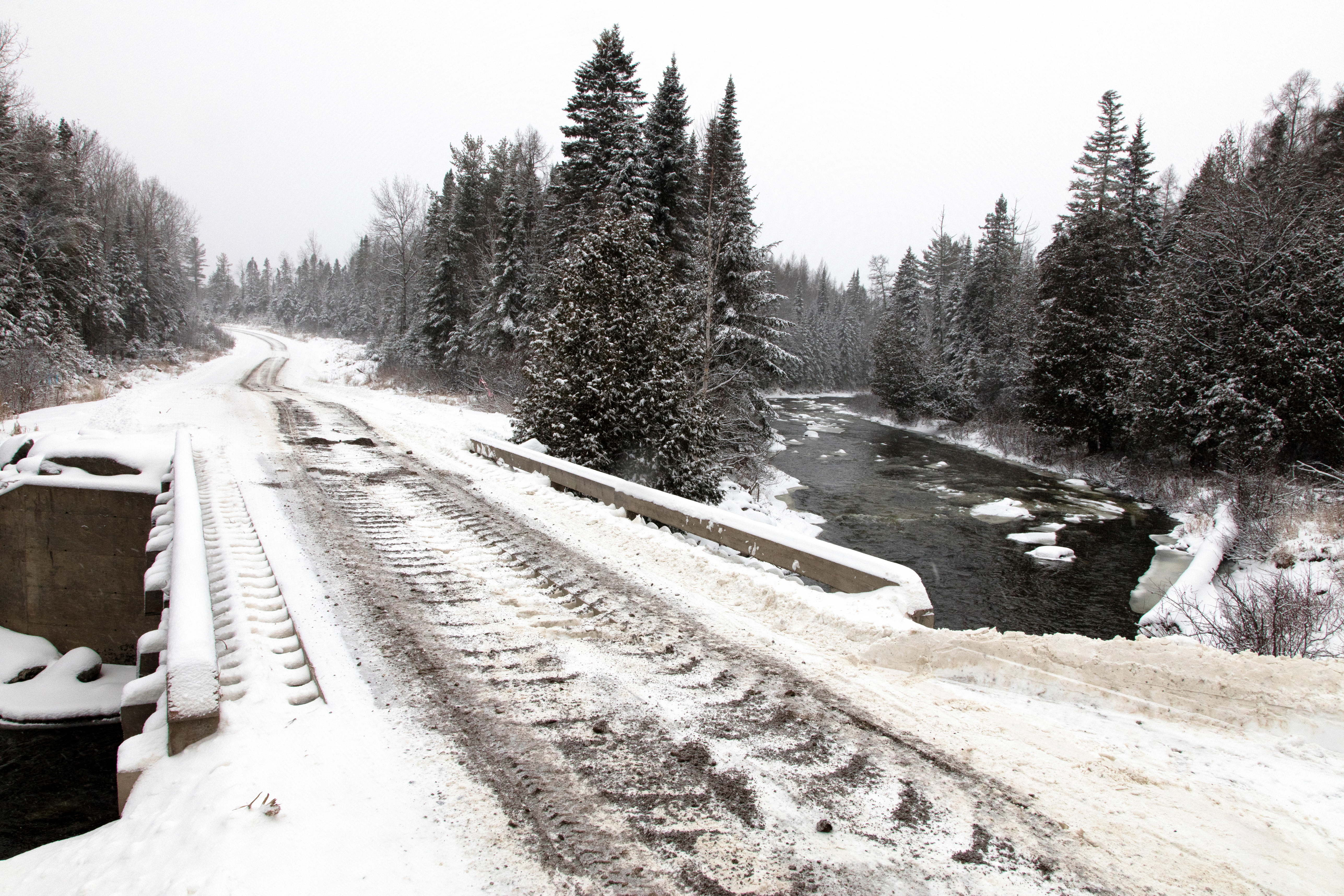
Here are a few key winter accessibility factors to keep in mind before you buy.
1. Road Access & Maintenance
Not all roads are created equal—especially in winter. Private roads, logging roads, and easements may not be maintained year-round.
Before purchasing, ask:
- Who maintains the road (county, township, HOA, or private owner)?
- Is snow removal included, shared, or entirely your responsibility?
- Are there weight limits or seasonal closures?
A property may be accessible in summer but difficult—or impossible—to reach after heavy snowfall or ice.
2. Driveways, Slopes & Terrain
Winter conditions amplify slope and surface issues. Steep driveways, clay soils, or poorly drained areas can become slick, rutted, or impassable.
Look closely at:
- Driveway grade and length
- Surface material (gravel, dirt, paved)
- Evidence of erosion or runoff
If possible, walk or drive the property during winter weather to understand how it handles real conditions.
3. Water Crossings & Low Areas
Creeks, lowland areas, and wetlands behave differently in winter. Freeze–thaw cycles and snowmelt can create temporary flooding or soft ground that isn’t visible other times of year.
Winter is a good time to:
- Identify seasonal water flow
- Spot flood-prone access points
- Assess bridge or culvert condition
These factors can impact both daily access and long-term land usability.
4. Utilities & Emergency Access
Remote properties often rely on private utilities and longer response times.
Consider:
- Distance to maintained roads
- Accessibility for emergency vehicles
- Power reliability during winter storms
- Backup access routes if a primary road becomes blocked
Planning ahead helps avoid surprises after purchase.
5. What Winter Tells You About the Property
Cold-weather visits provide valuable insight into how a property performs under stress. If a road is passable in winter, drainage holds up, and access remains reliable, that’s a strong indicator of long-term usability.
Working with a land specialist who understands seasonal access issues can help you evaluate these details before committing.
Closing:
Winter conditions don’t have to be a drawback—they can be a valuable tool for understanding rural land. Taking the time to assess access, infrastructure, and terrain during colder months can help ensure your land purchase fits your long-term plans.
If you’re considering rural property this winter, our team is here to help guide you through the details that matter most.