
AFM NEWS
Coyotes in the Southeast: Understanding Their Rise and What Landowners Should Know
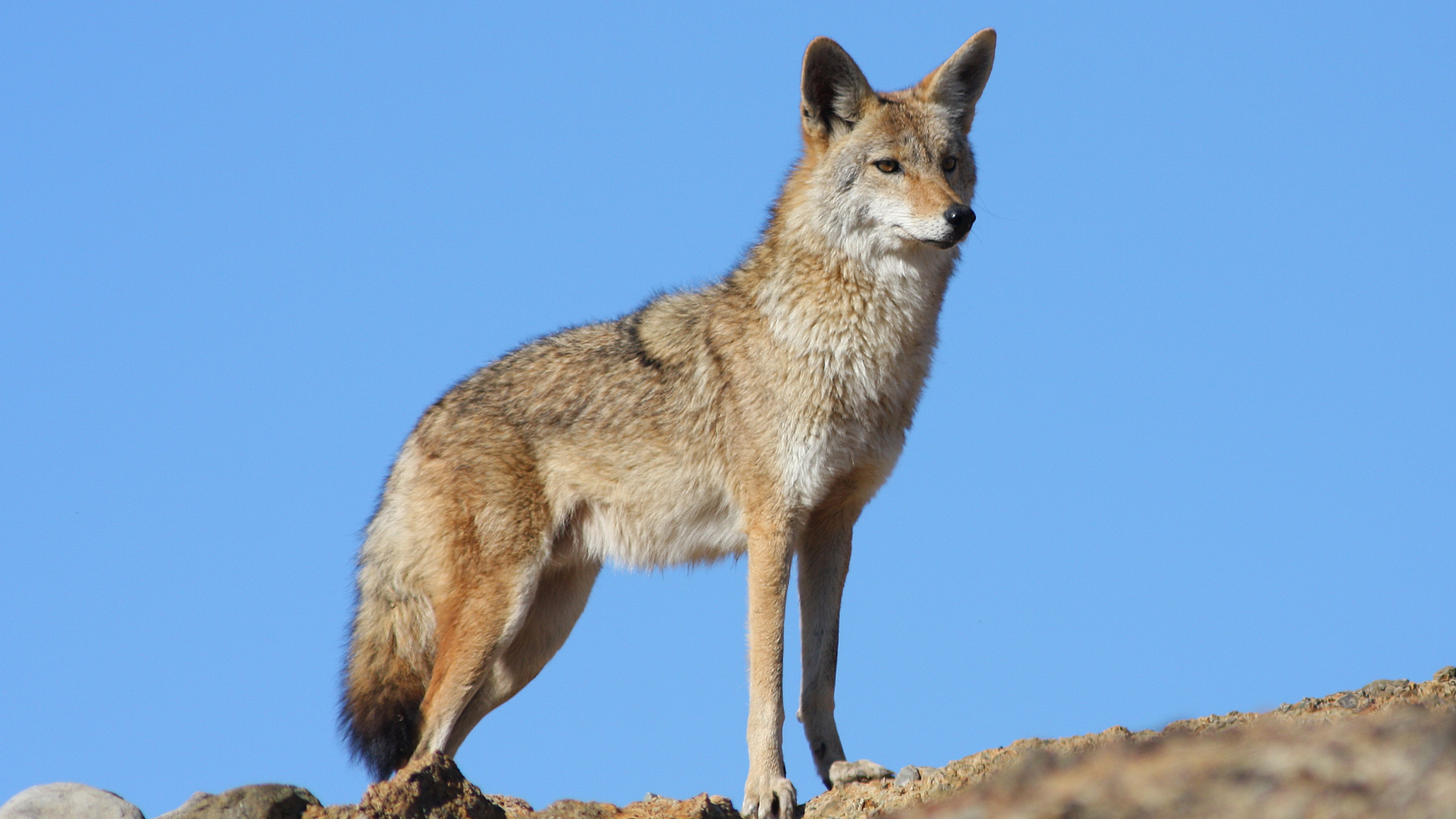
The Rise of the Coyote in the Southeast
Coyote populations have surged across the region over the last several decades. This expansion isn’t random—it’s a direct result of how the modern Southern landscape has evolved. Timber harvest rotations, pasture edges, row crops, and suburban developments all create the “edge habitat” coyotes prefer. These mixed environments provide abundant prey such as rodents, rabbits, and young deer, as well as easy access to food sources like fruit, trash, and pet feed.
The decline of natural competitors, particularly red wolves, has also opened ecological space for coyotes to thrive. Combined with their incredible adaptability and high reproductive rates, these factors have ensured the species’ success throughout the Southeast.
Coyotes and the Ecosystem: Friend, Foe, or Both?
Coyotes’ role in the ecosystem is complex—they’re both beneficial and problematic depending on the setting.
The Benefits
Coyotes provide valuable rodent control, feeding heavily on mice, rats, and voles that can damage seedling forests and crops. They also help regulate mid-sized predators like raccoons, opossums, and feral cats, which can lead to better nesting success for quail, turkeys, and songbirds. As scavengers, they remove carrion that could otherwise attract disease.
The Challenges
However, coyotes can also impact fawn survival rates during the spring and early summer months, particularly in areas with limited cover or poor habitat quality. They may occasionally prey on small livestock, poultry, or outdoor pets if other food sources are scarce. In suburban and rural residential settings, conflicts often stem from coyotes losing their natural fear of humans due to easy access to unsecured food.
Management: Living With Coyotes, Not Eliminating Them
Coyotes are now a permanent part of the Southeastern landscape. Total eradication isn’t realistic or ecologically desirable. Instead, management should focus on reducing conflicts, protecting vulnerable animals, and maintaining healthy ecological balance.
1. Start With Prevention
· Remove attractants: Keep pet food indoors, secure trash cans, and properly dispose of livestock carcasses or afterbirth.
· Reduce rodent habitat: Clean up spilled grain and brush piles around barns or feeders.
· Secure livestock and poultry: Install tight woven-wire or high-tensile fencing at least 6–8 feet high and consider buried mesh aprons around chicken coops to deter digging.
· Use guardian animals: Livestock guardian dogs, donkeys, or llamas can be effective deterrents when properly trained and integrated.
2. Manage Habitat Around Homes and Fields
Trim back heavy cover near barns, homes, and pastures. Maintain a 30–50-foot buffer of mowed or open ground around structures to reduce ambush sites. For wildlife-focused properties, managing nesting and brood habitat with diversity in mind—interspersing escape cover with open areas helps prey species avoid predators.
3. Targeted Control, When Necessary
When preventive measures aren’t enough, selective removal may be justified, especially during spring lambing, calving, or fawning seasons. Always check state wildlife regulations, as laws differ by state. Engaging a licensed wildlife control professional is often the most effective and humane way to address problem coyotes near dwellings or livestock operations.
Broad, indiscriminate trapping or shooting rarely produces long-term results. Research shows that when coyotes are heavily reduced in one area, new individuals quickly move in. The key is focusing control efforts on specific problem animals and pairing them with preventative strategies.
A Balanced Approach
Coyotes are now as much a part of the Southeastern landscape as whitetail deer or wild turkeys. Understanding their behavior and managing them thoughtfully allows landowners to protect their interests without upsetting the broader ecological balance.